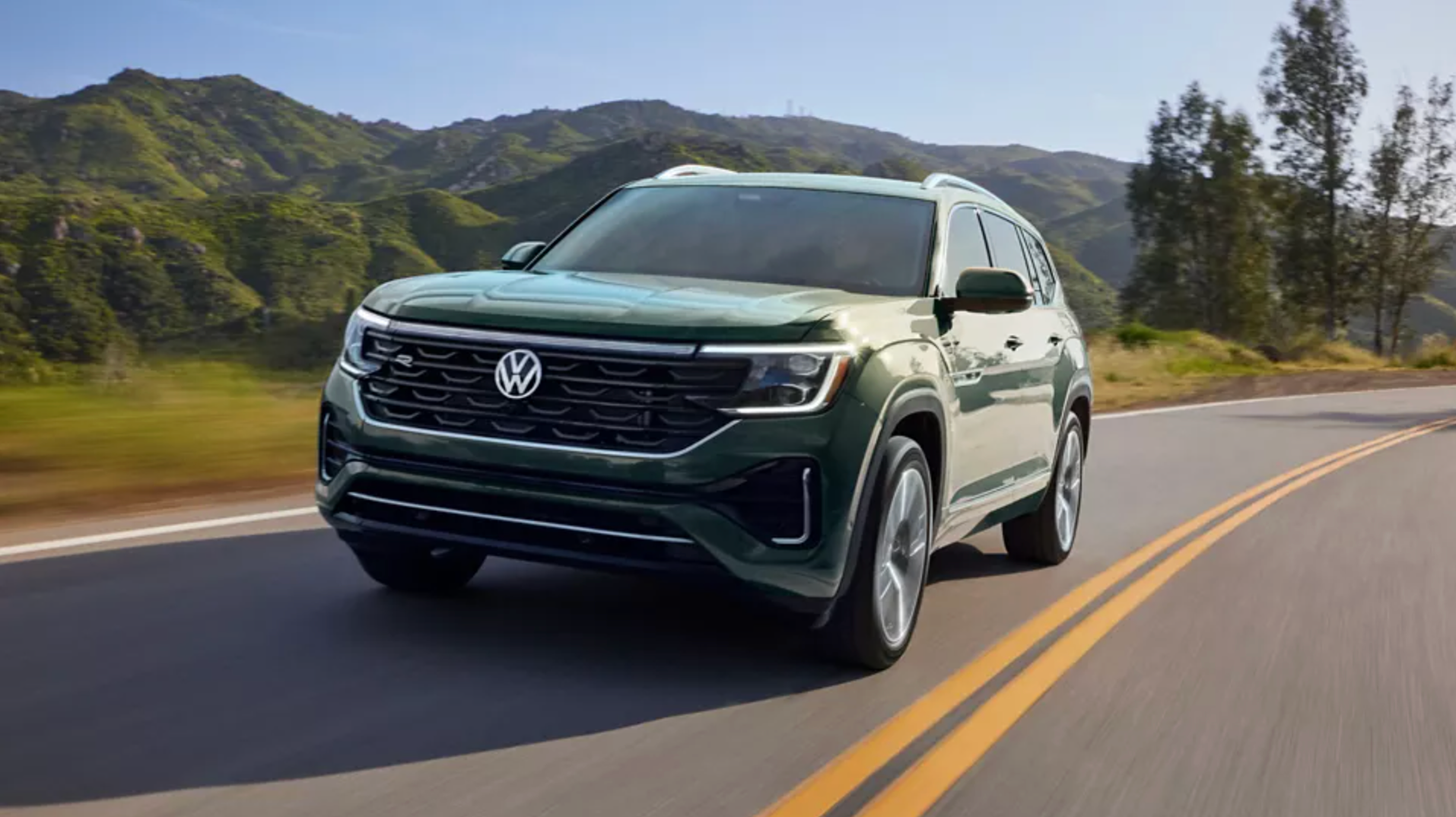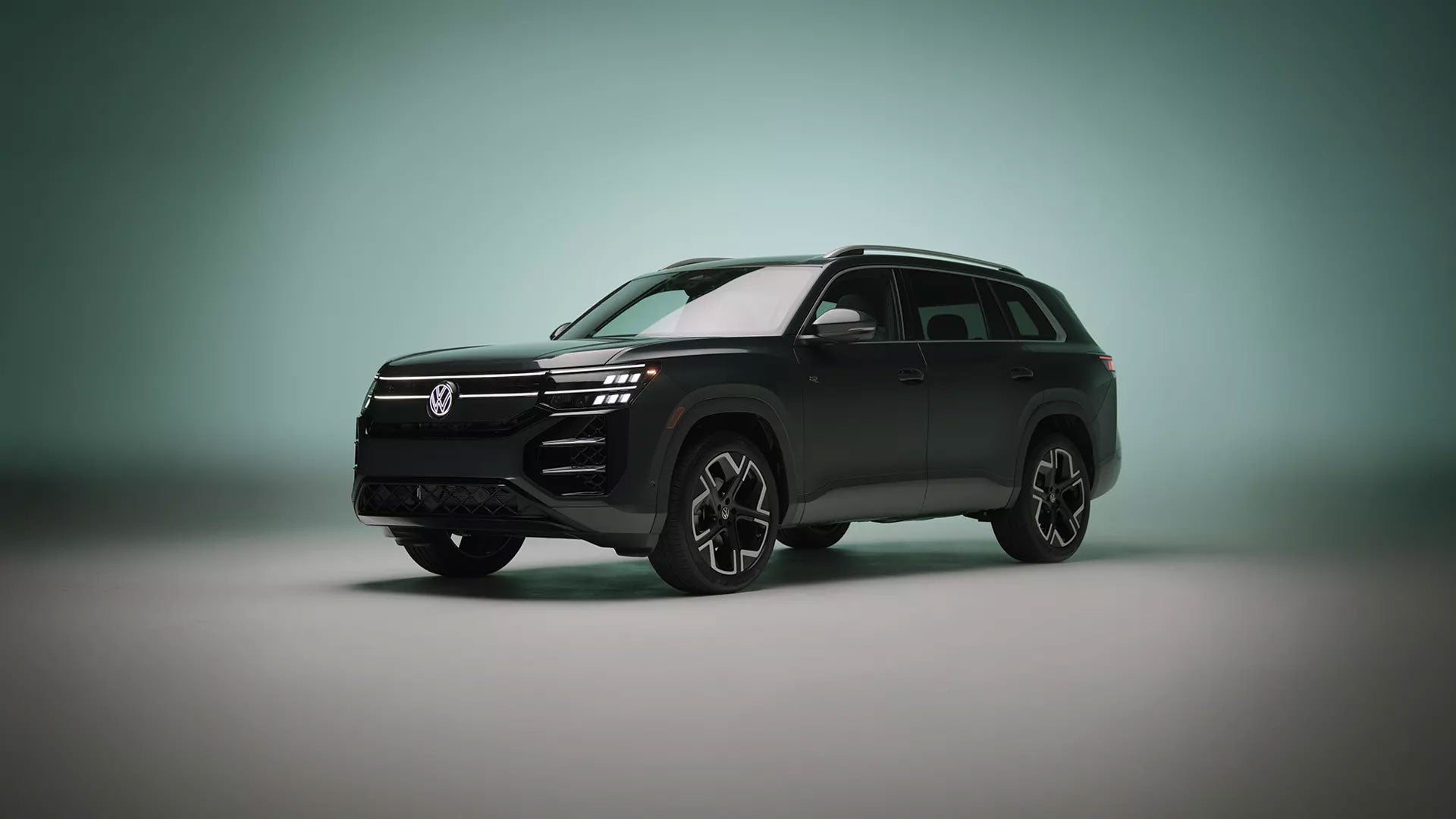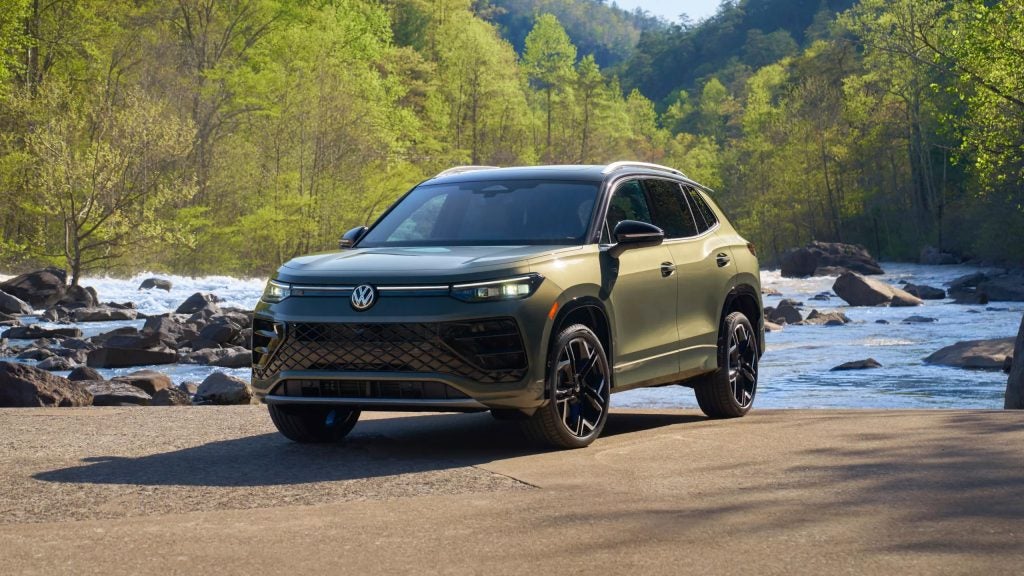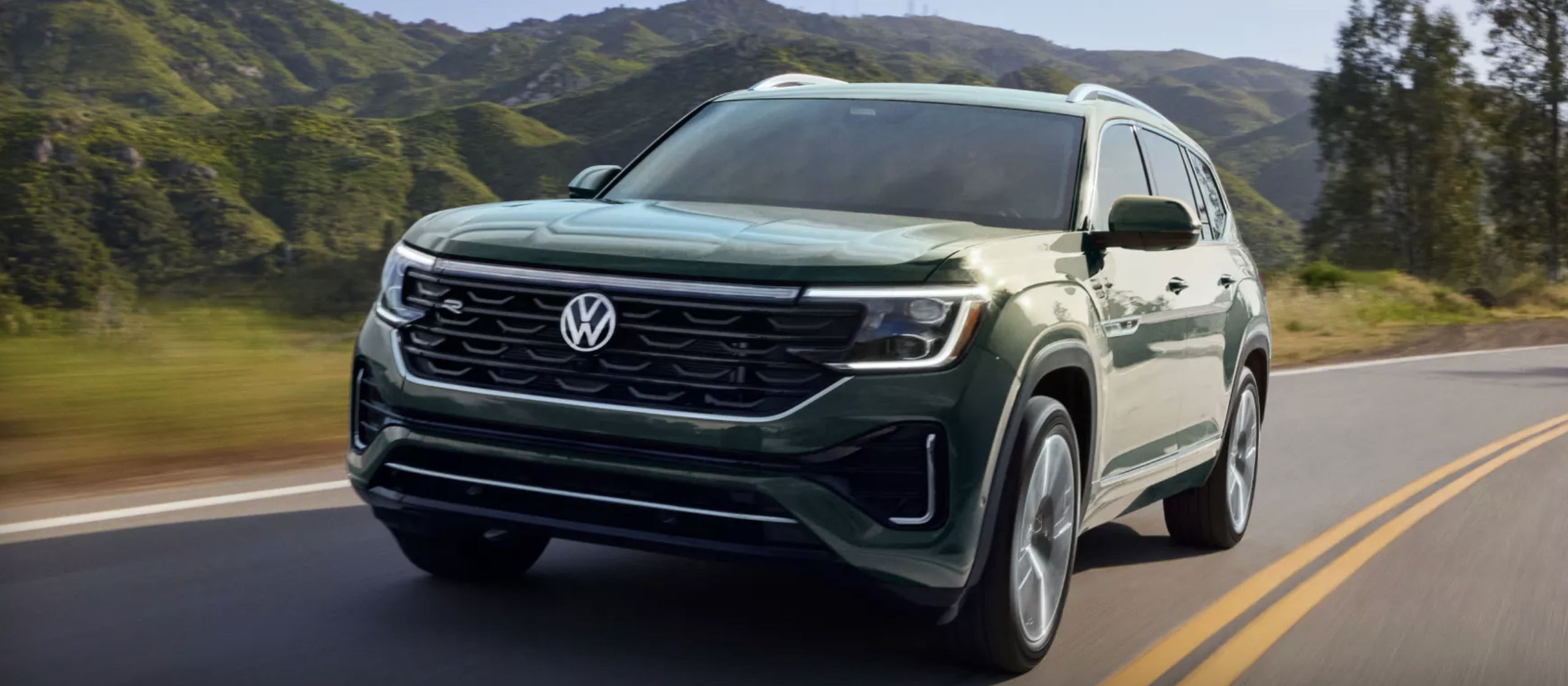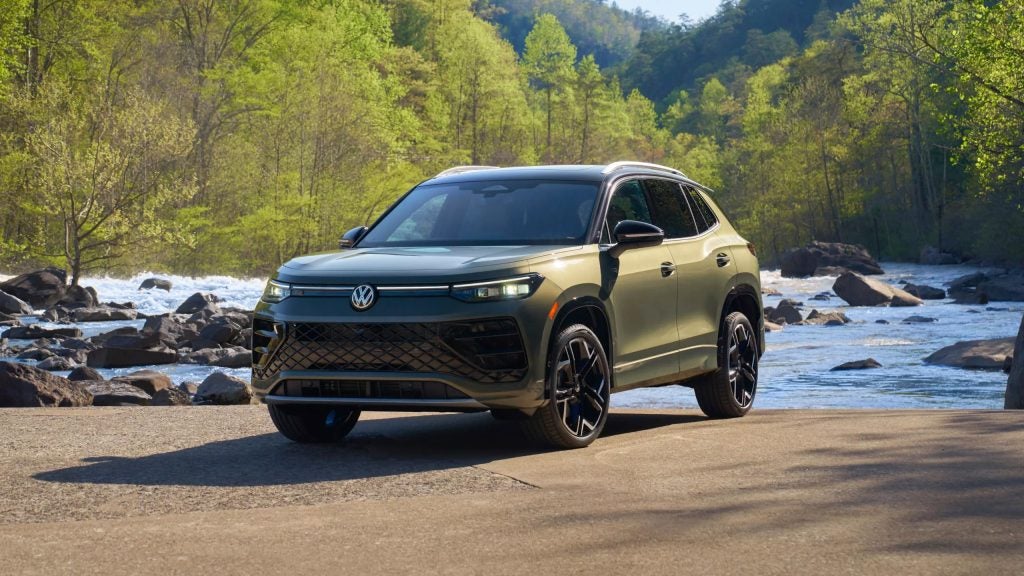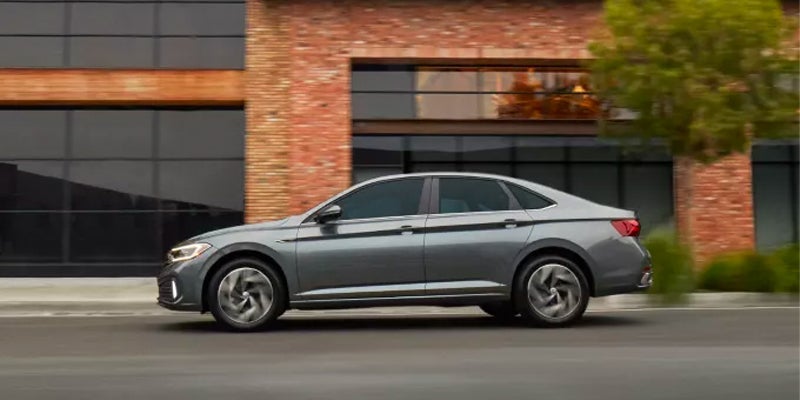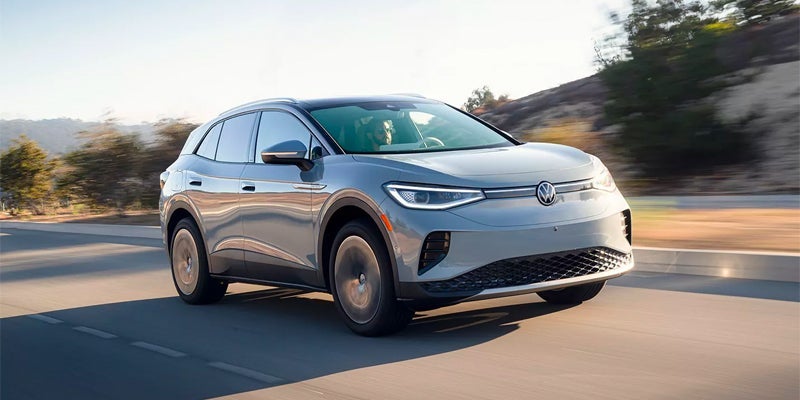

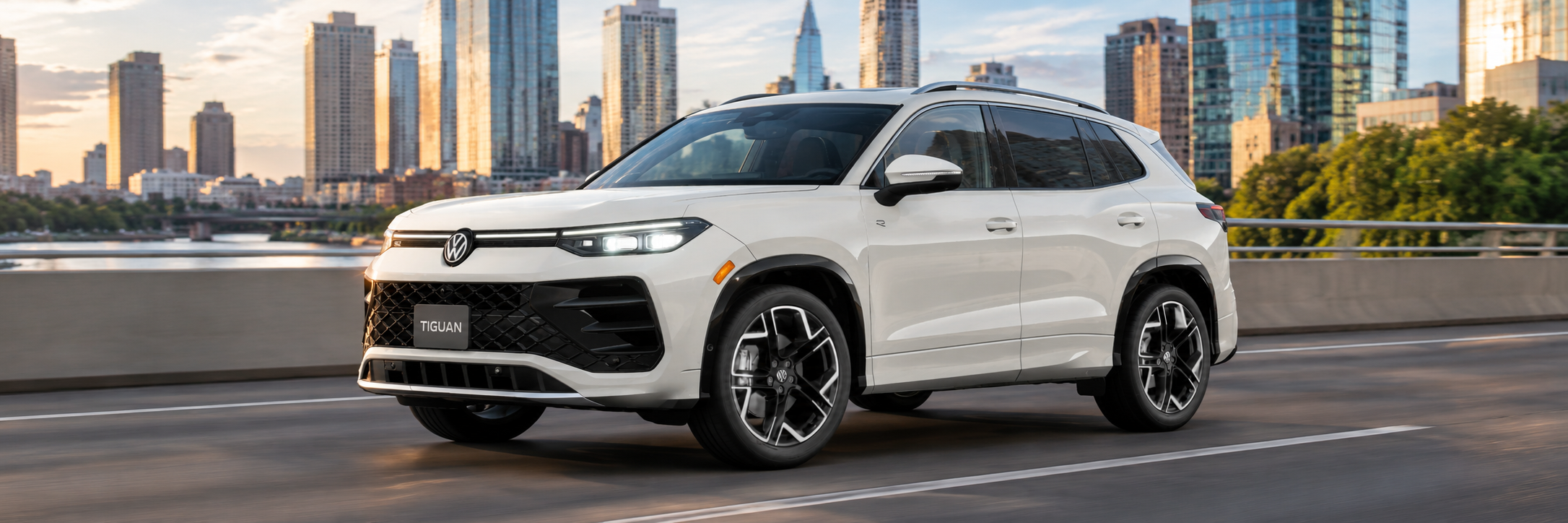
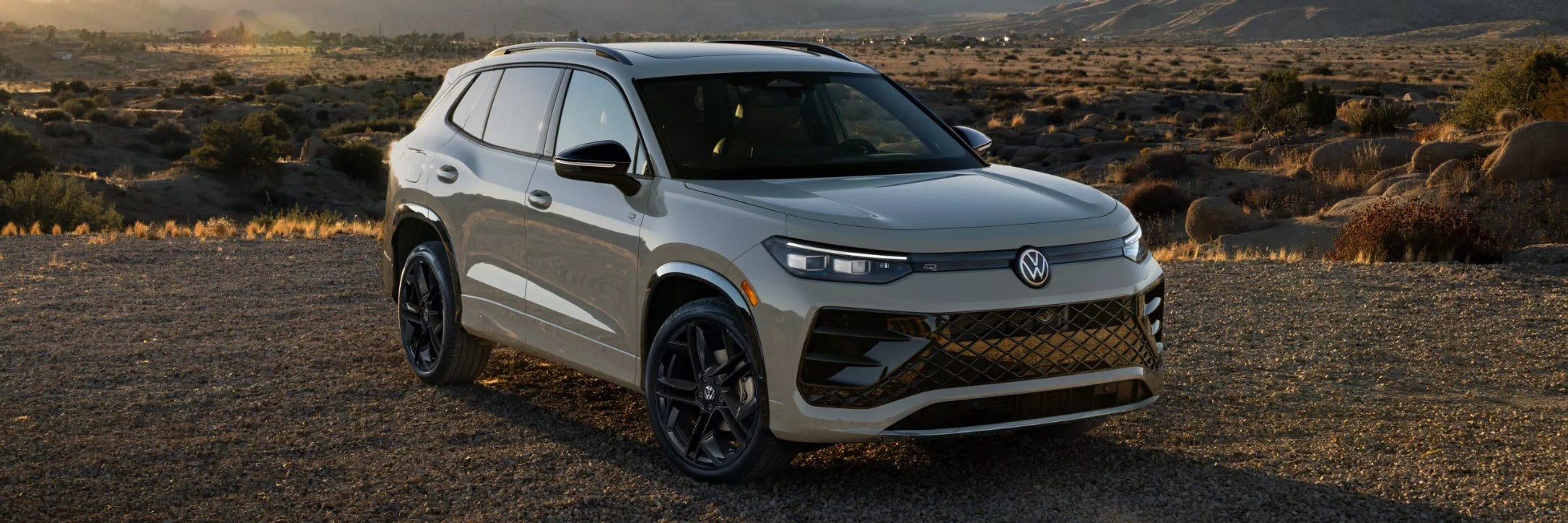
Volkswagen Tiguan vs Honda CR-V: Which Compact SUV Is Better for Houston Drivers? Explore Why More Houston Drivers Choose the Volkswagen Tiguan The Volkswagen Tiguan and Honda CR-V top plenty of Best Compact SUV lists, and for good reason. Both seat five, offer available all-wheel drive, and provide the space families expect from a modern compact SUV. How they deliver that experience differs noticeably. The CR-V has built its reputation around straightforward practicality and efficiency. The Tiguan brings more European character to the equation. Its styling is sharper, the cabin can feel surprisingly upscale, and the available performance gives drivers considerably more power than they might expect from a family SUV. Let’s take a closer look at a head-to-head comparison between the Volkswagen Tiguan and Honda CR-V. Want to get up close and personal with the Tiguan? Contact DeMontrond Volkswagen. Performance That Gives the Tiguan Some Personality Both SUVs offer turbocharged gas engines, but the Tiguan lineup has an interesting performance card to play. The 2026 Honda CR-V's standard 1.5-liter turbocharged engine produces 190 horsepower. Honda also offers a 204-horsepower hybrid powertrain. If you desire better performance, the Volkswagen Tiguan checks the box. Volkswagen also offers a 268-horsepower Tiguan SEL R-Line Turbo with 258 lb-ft of torque and standard all-wheel drive. Other Tiguan trims can be equipped with Volkswagen's available 4MOTION all-wheel-drive system. That extra output gives the top Tiguan a very different character. Merging into fast-moving Houston traffic or accelerating onto Hwy 290 does not have to feel like an economy-car exercise. The Tiguan still handles the practical jobs, but Volkswagen has left room for the driver to enjoy the trip. Interior Space and Cargo Capacity: Tiguan vs CR-V This is one category where the CR-V deserves credit. Honda offers up to 76.5 cubic feet of cargo space with the rear seats folded. The 2026 Tiguan offers 33.8 cubic feet behind its second row and 69.8 cubic feet with the seats folded. Volkswagen also incorporates underfloor storage into the cargo area. While the CR-V offers more maximum cargo space, the Tiguan counters with a cabin that emphasizes atmosphere and design. The current Tiguan is strictly a two-row, five-passenger SUV. That change allowed Volkswagen to focus the latest generation on passenger comfort and usable cargo room rather than squeezing occasional third-row seats into a compact footprint. The Tiguan Boasts Technology With a More Premium Feel The Tiguan's European personality becomes much more apparent inside. A 12-inch display is standard for 2026, while an available 15-inch touchscreen moves the Tiguan into territory that looks and feels well beyond basic compact-SUV transportation. The SEL R-Line Turbo can add diamond-stitched leather seating surfaces, plus ventilated and massaging front seats. The CR-V offers a well-organized cabin and optional built-in Google, giving drivers integrated access to Google Maps and other connected features. However, after spending an hour in Houston traffic, the cabin details start to matter. The Tiguan makes a particularly convincing case for shoppers who want their family SUV to feel polished, not purely functional. Safety and Driver Assistance Features: Tiguan vs CR-V Both Volkswagen and Honda bring substantial driver-assistance technology to this segment. Volkswagen equips the 2026 Tiguan with IQ.DRIVE driver-assistance technology, while Honda offers its Honda Sensing suite on the CR-V. Available all-wheel drive further expands both SUVs' capabilities. These systems are particularly useful around Houston, where a normal drive can move from open suburban roads to dense freeway traffic in the same trip. Instead of choosing based on a safety suite's name, compare the exact features on the trims you are considering and see how the systems operate during your test drives. Which SUV Is Better for Families in Houston? The CR-V makes a strong case with its larger maximum cargo capacity and available hybrid powertrain. Those are meaningful advantages, particularly when efficiency sits near the top of the shopping list. The Tiguan takes the compact family SUV in another direction. Volkswagen gives it crisp European styling and a cabin that can be equipped with features such as a 15-inch display, ventilated front seats, massage functionality, and leather seating. These features give the Tiguan an edge the CR-V simply can't match. Compare the Tiguan at DeMontrond Volkswagen Houston Numbers tell part of the Volkswagen Tiguan vs Honda CR-V story. The Tiguan's biggest differences become much easier to understand once you sit inside and drive it. At DeMontrond Volkswagen, we help drivers from Spring, Atascocita, and Tomball find the best Volkswagen for their needs. Contact us today to schedule a test drive. Contact us today Frequently Asked Questions Is the Volkswagen Tiguan Bigger Than the Honda CR-V? Both are compact SUVs with two rows and five seats. Their dimensions and interior layout differ, so shoppers should compare passenger room and cargo capacity rather than assume one is "bigger." Which SUV Has More Cargo Space, the Tiguan or CR-V? The CR-V offers more maximum cargo volume. Honda lists up to 76.5 cubic feet, while the 2026 Tiguan provides 69.8 cubic feet with its rear seats folded. Does the Volkswagen Tiguan Have Third-Row Seating? Not for 2026. The redesigned 2026 Volkswagen Tiguan sold in the U.S. is a two-row, five-passenger SUV. Which SUV Gets Better Gas Mileage? The Honda CR-V offers better fuel economy, especially with its available hybrid powertrain. The 2026 CR-V Hybrid can achieve 40 city and 34 highway MPG in certain configurations. Does the Volkswagen Tiguan Offer AWD? Yes. Volkswagen offers 4MOTION all-wheel drive on the 2026 Tiguan. It is standard on the SEL R-Line Turbo and available on the other Tiguan trims.
Should You Lease or Finance Your Next Volkswagen?
Should You Lease or Finance Your Next Volkswagen? The Right Choice Depends on How You Drive and What You Want to Own Leasing a Volkswagen means you drive a new VW for a set amount of time and miles, then decide what to do with it at the end of the term. Financing means you borrow to buy the vehicle, your name goes on the title, and once the loan is paid off you own it outright. Neither option is better for everyone. The better fit comes down to a few questions: how many miles you drive, whether you want to own the car long term, and how often you like to switch into something newer. Below, we walk through how each option works so Houston-area shoppers can compare them side by side before talking with our finance team at DeMontrond Volkswagen. How Does Leasing a Volkswagen Work? With a lease, you pay to use a new Volkswagen for an agreed term and mileage allowance instead of paying for the whole vehicle. Volkswagen notes that a lease may offer lower monthly payments on average than financing the same model over a similar term, and that lease terms and mileage options vary. When the lease ends, Volkswagen describes three choices: Turn in your VW and move into a new one Purchase the vehicle at the purchase option price set in your lease agreement Return the vehicle at the end of your term If you return the vehicle, charges for miles over your allowance or wear beyond normal use may apply, based on the terms of your lease agreement. How Does Financing a Volkswagen Work? When you finance, you make payments toward the full purchase of the vehicle. Your name is on the title, and once the loan is paid off, the Volkswagen is yours. You can keep driving it for as long as you like or trade it in later toward a newer model. Because you own the vehicle, there are no end-of-lease obligations such as excess mileage or wear-and-use charges, and no limits on customizing it. That can matter if you put a lot of miles on your car commuting on I-45 or road-tripping out of Houston. Lease vs. Finance: How They Compare Here is a quick look at the main differences: Ownership: a lease ends with a choice to buy, turn in, or return; a loan ends with you owning the vehicle. Mileage: a lease includes a set mileage allowance; a financed vehicle has no mileage limit. Customization: a lease can limit changes you make to the vehicle; a financed vehicle has no customization limits. Upgrading: leasing makes it easy to move into a newer VW at the end of the term; financing lets you decide when to trade in. Monthly budget: a lease may offer lower monthly payments on average, while a loan builds toward ownership. Your actual terms depend on the vehicle, current offers, your credit, and lender approval. Volkswagen Credit programs are subject to Volkswagen Credit approval. Questions to Ask Before You Decide A few honest answers can point you in the right direction: How many miles do you drive in a typical year, including commutes from Spring, The Woodlands, or Tomball? Do you plan to keep this vehicle for many years, or do you like having the latest technology? Do you want to add accessories or make changes to the vehicle? Would you rather keep monthly payments lower or build toward owning the car? If you are buying your first car, note that the Volkswagen First-Time Buyer Program applies to purchase contracts only, not leases. Our Finance Center can walk you through the programs that fit your situation. Planning Ahead for Maintenance and Protection Whichever way you go, it helps to plan for upkeep. Volkswagen Care prepaid maintenance plans let you pay for scheduled maintenance ahead of time, and if you choose a plan when you buy or lease, it may be possible to include its cost in your loan or lease. Volkswagen Drive Easy protection plans are also available, and our team can explain the coverage options. If you have a vehicle to trade, We'll Buy Your Car can give you an offer to apply toward either a lease or a purchase. View Current Lease and Finance Offers Explore Volkswagen Lease and Finance Options in Houston, TX Ready to compare real numbers on the Volkswagen you want? Apply for financing online, and our finance team at DeMontrond Volkswagen in north Houston will review lease and loan options with you. We work with shoppers from Spring, The Woodlands, Tomball, and Atascocita, and you can also start the process online with DeMontrond Direct. Apply for Financing Frequently Asked Questions What is the main difference between leasing and financing a Volkswagen? A lease lets you drive a new Volkswagen for a set time and number of miles, then turn it in, buy it, or return it. Financing means you buy the vehicle with a loan and own it once the loan is paid off. Is it better to lease or finance a Volkswagen? There is no single right answer. Leasing can suit drivers who want lower monthly payments on average and a newer VW every few years, while financing suits drivers who want to own their vehicle and drive without mileage limits. Do Volkswagen leases have mileage limits? Yes. A lease includes a set mileage allowance, and a range of mileage options is available. Miles over your allowance may be charged at lease end based on your lease agreement. Can I buy my Volkswagen at the end of the lease? Yes. You can purchase the vehicle at the purchase option price stated in your lease agreement. Can I lease a Volkswagen through the First-Time Buyer Program? No. The Volkswagen First-Time Buyer Program applies to retail purchase contracts only, not leases. Are Volkswagen lease and finance offers available in Houston? Offers change throughout the year and depend on the model, credit approval, and program terms. Check our current specials page for the latest lease and finance offers at DeMontrond Volkswagen.